Professional translation is a high-quality translation service provided by trained translators who have a good command of grammar, terminology and cultural aspects of the target language. It requires not only linguistic knowledge, but also deep knowledge of the details of the subject matter and the industry. Professional translation is used in many different fields, from commercial documents to technical reports, from legal documents to literary works. The accuracy of the translation, its suitability for the target audience and the fluency of the text are guaranteed with a professional translation service. In order for a translation to be considered professional, the translator must strike a perfect balance between the source and target languages, preserve the original meaning of the text and ensure linguistic and cultural harmony.
Professional translation is the key to accurate and quality communication. Accurate translation of a text or a speech prevents misunderstandings and misinformation. A professional translation service ensures that the message reaches the target audience in full thanks to a good command of terminology and the correct transfer of industry-specific information. This type of translation is especially important for commercial and legal documents, as even a small mistake can lead to huge financial losses. In addition, professional translation services protect the prestige of organizations and build trust in international relations. These translations, which minimize errors and reflect the naturalness of the language, are an indispensable part of the professional world.
Becoming a professional translator is not limited to knowing languages. The first step is to receive an education based on linguistics and to learn translation theories. University departments such as translation studies and translation and interpreting offer a basic education to become a professional translator. However, the education process should not be limited to academic knowledge, but should be supported by language practices and a command of terminology. Developing themselves in the areas they want to specialize in (legal, technical, literary, etc.) is key to their professional success. Learning translation programs and tools also makes a difference in the profession. Certificates and professional experience are important steps in a translator's career.
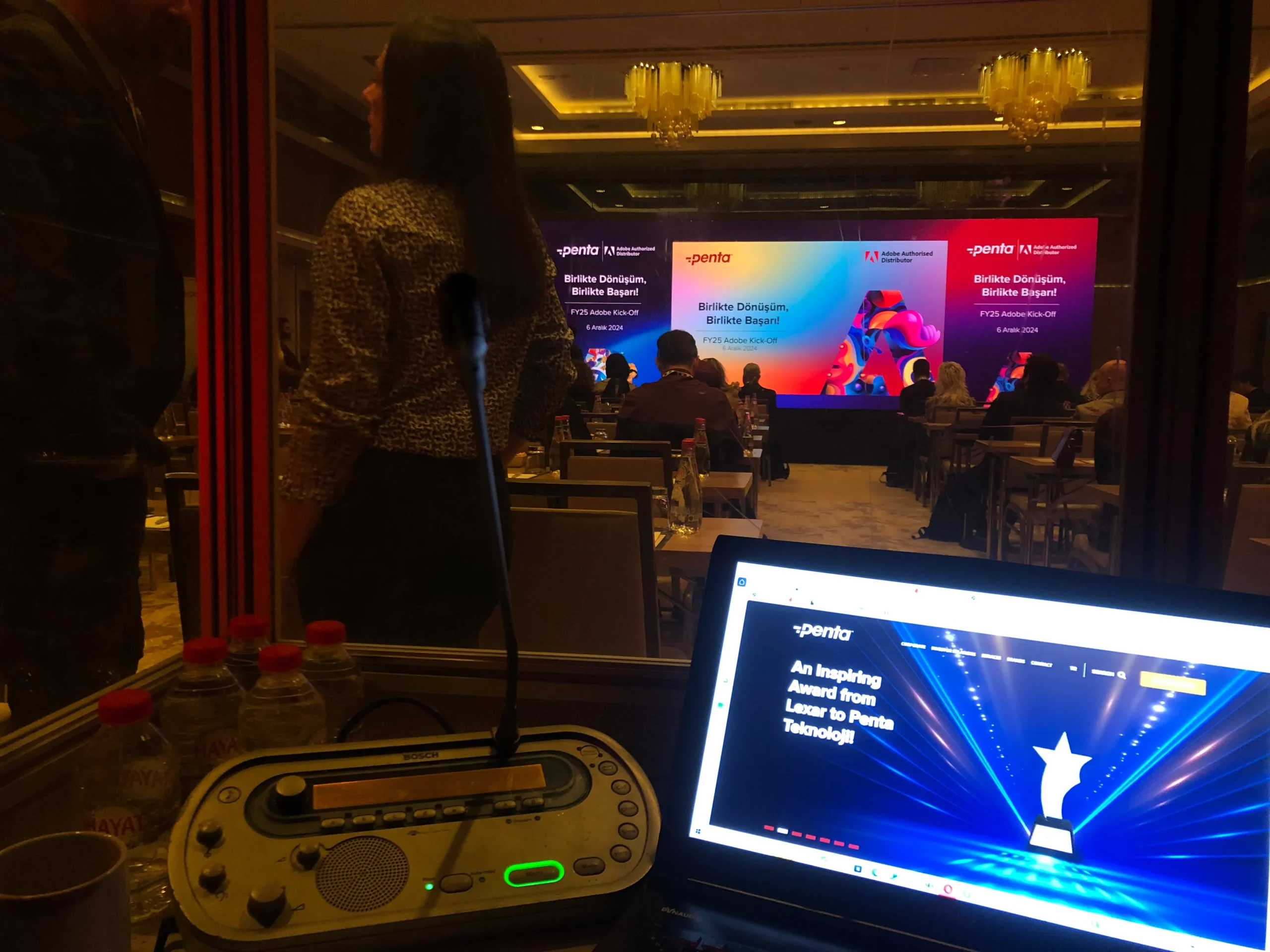
Professional translation is divided into various types in different fields. Written translation is the transfer of texts from one language to another and has sub-branches such as literary, technical and academic. Interpreting is divided into types such as simultaneous and consecutive interpreting, where speech is translated into the target language. Technical translation requires the accurate transfer of technical terms in sectors such as engineering, IT and medical. Legal translation requires an understanding of the language of legal documents and their correct translation. Financial translation also involves working on specialized texts such as business documents and reports. Each type of translation requires expertise and experience, which is why professional translators usually specialize in certain areas.
The biggest difference between professional translation and machine translation is the accurate transfer of meaning. Machine translation usually translates word by word, which can lead to shifts in meaning and even major errors. Professional translators, on the other hand, pay attention not only to linguistic knowledge, but also to the context of the text, its cultural elements and its appropriateness to the language of the target audience. Machine translation can be fast and practical, but it is not reliable for complex and technical texts. In addition, machines cannot perceive the subtle nuances of language, such as metaphors and idioms. Therefore, a professional translator should always be preferred for a quality and accurate translation.
Professional translation services are one of the cornerstones of accurate communication and successful international relations. The correct understanding of a company or individual's message in a different language directly affects commercial success. Especially in legal, commercial and technical documents, even a small mistake can cause major problems. Professional translators minimize such mistakes as they have a good command of industry-specific terminology. In addition, professional translation ensures that the text is adapted correctly, taking into account cultural differences. Therefore, professional translation services are indispensable for any company that wants to expand into global markets.
The pricing of professional translation services varies depending on several factors. Firstly, the length and difficulty of the text to be translated directly affects the price. Technical or legal texts are usually priced higher as they require more expertise. Secondly, the delivery time of the translation is also important. Urgent translation requests can be more costly than standard delivery times. In addition, extra services used in the translation project, such as software and terminology management, also affect pricing. These factors, which are determined according to the type and sector of the translation, make up the cost of professional translation.